The Science Behind Fuel Gelling, And How to Prevent It
When temperatures plunge, diesel engines face a hidden enemy that can bring operations to a halt: fuel gelling. We know a little bit about this in Montana. Whether you’re managing a fleet of trucks, running backup generators, or relying on off-road diesel equipment in sub-zero climates, understanding fuel gelling—and how to prevent it—can save you from unplanned downtime and maintenance challenges.
Let’s break down what fuel gelling is, why it happens, and how low-watt preheating technology is revolutionizing cold-weather performance for diesel-powered systems.
What Is Fuel Gelling?
Diesel fuel contains paraffin wax, which helps increase the fuel’s energy density. However, when temperatures fall below 32°F (0°C)—and especially below 15°F (-9°C)—that wax begins to crystallize. The result is a thick, gel-like fuel that clogs fuel lines, filters, and injectors.
In extreme cold, the fuel can become so viscous that it won’t flow at all, starving your engine of power and preventing startup.
Key Temperatures to Know:
- Cloud Point: The temperature at which wax crystals first become visible in diesel, making fuel look cloudy.
- Diesel Pour Point: The lowest temperature at which diesel will still flow.
- Gel Point: The point at which wax crystals form a solid matrix, completely blocking flow.
Why Fuel Gelling Is a Serious Threat
Fuel gelling is more than an inconvenience. It’s a mission-critical risk, especially in:
- Emergency standby generators
- Transportation fleets
- Construction and agricultural equipment
- Remote industrial sites
- Military and government operations
When fuel can’t flow, equipment doesn’t run, and recovery can take hours, and sometimes even days, if lines or filters must be thawed or replaced.
Traditional Fixes Fall Short
Many operators turn to:
- Winterized diesel blends (with anti-gel additives) which can result in a decrease in overall energy content
- Fuel tank heaters which can mean increased energy consumption and higher utility bills, potential safety hazards
- Keeping equipment running 24/7 which can result in increased maintenance, overall wear and tear, and increased energy consumption
But these methods can be costly, inefficient, or simply inadequate in prolonged cold spells.
Additionally, additives can only lower the gel point so far, and they must be mixed perfectly in advance. Once gelling has begun, it’s often too late for additives to help.
How Low-Watt Preheating Stops Gelling Before It Starts
The most effective way to combat fuel gelling is to prevent it entirely—by keeping fuel and filters above the gel point with consistent, low-wattage heating.
Why Preheating Works:
- Maintains optimal fuel viscosity even in sub-zero temps
- Prevents wax crystals from forming in the first place
- Ensures immediate flow-through on cold starts
- Reduces strain on fuel pumps, injectors, and filters
- Protects against freeze-related damage
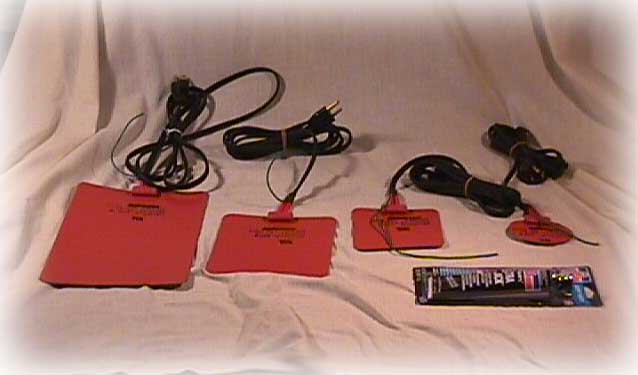
ETIP’s Universal Preheaters™:
Our precision-engineered preheaters offer targeted warmth for fuel filters, lines, and tanks without overheating or wasting energy. Designed for efficiency and safety, they:
- Operate on low wattage (as little as 15W–50W)
- Are available in 12V, 24V, or dual voltage
- Use ceramic-insulated heating elements for superior thermal control
- Feature easy peel-and-stick installation
Real-World Applications
ETIP preheaters are trusted by:
- Transportation fleets to prevent filter gelling on early morning routes
- Power utilities to ensure standby generators run reliably
- Military and government vehicles operating in Arctic zones
- Construction crews working through winter on-site
By proactively heating critical components, these organizations maintain 100% uptime—even in -30°F conditions.
Final Thoughts: Be Ready Before Winter Strikes
Fuel gelling doesn’t wait for convenience. It strikes during cold snaps, overnight downtime, or the moment you need backup power the most.
With Universal Preheaters™, you’re investing in year-round reliability, reduced maintenance costs, and peace of mind.
Ready to Prevent Fuel Gelling?
Explore our fuel filter and tank preheaters or contact us to get a recommendation for your specific equipment.