
How to Choose the Right Preheater for Your Engine, Filter, or Battery
When winter weather strikes, your equipment’s performance hinges on one key factor: reliable cold starts. Whether it’s a diesel engine, a fuel filter, or a battery struggling to deliver enough cranking amps, preheating the right components can make the difference between uptime and a costly call for service.
But how do you know which preheater is right for your specific application?
This guide breaks down the critical factors you need to consider so you can choose the most effective, energy-efficient, and easy-to-install preheater for your setup.
Step 1: Identify the Component That Needs Protection
Preheaters aren’t one-size-fits-all. Each component in a cold-start system has unique thermal requirements. Start by pinpointing the weak spot in your cold weather operation:
Engine / Oil Pan
Problem: Thickened engine oil, hard starts, wear and tear
Solution: Apply a low-watt engine oil pan heater or universal block heater to keep oil viscous and flowing.
Battery
Problem: Loss of Cold Cranking Amps (CCA), startup failure
Solution: Use a battery heater pad to maintain internal battery temperature and improve electrical conductivity.
Fuel Filter / Fuel Tank
Problem: Fuel gelling and wax crystal formation
Solution: Choose a fuel filter heater or fuel tank heater pad to prevent wax buildup and maintain flow.
Hydraulic Systems / Pumps / Compressors
Problem: Thick hydraulic fluid, sluggish performance
Solution: Select a hydraulic reservoir heater or custom-sized surface heater for tanks and casings.
Step 2: Match the Voltage to Your Power Source
Preheaters are available in a variety of voltage options. Choosing the wrong voltage will reduce performance—or worse, cause damage.
- 12V: Ideal for vehicles, small machinery, and remote battery systems
- 24V: Common for larger diesel engines, military vehicles, and fleet equipment
- Dual Voltage (12V/24V): Flexible and great for mixed-voltage environments
- 120V/240V AC: Best for plug-in generators, facilities, and stationary assets
Pro Tip: If you’re not sure which voltage your equipment runs on, check the battery, electrical panel, or owner’s manual before ordering.
Step 3: Choose the Correct Size and Wattage
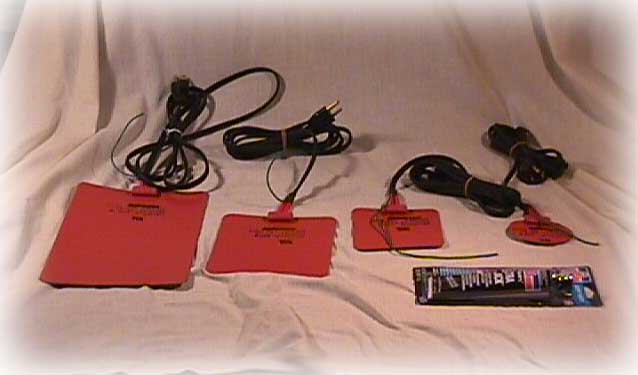
All of E TIP’s Universal Preheaters™ are designed to deliver targeted, efficient warmth using minimal power. Selecting the right size ensures maximum effectiveness without overheating.
Here’s a quick reference:
| Component Type | Recommended Wattage | Typical Heater Size |
| Battery (Group 31) | 15–25W | 3″ x 10″ |
| Small Engine / Oil Pan | 25–50W | 4″ x 5″ or 4″ x 8″ |
| Fuel Filter | 15–20W | 3″ x 5″ or 3″ x 7″ |
| Hydraulic Tank | 50–100W+ | Custom / larger pads |
| Generator Base | 25–75W | 4″ x 10″ or custom |
Need a non-standard size? We offer custom cut-to-fit pads for unique applications.
Step 4: Consider Installation Location and Environment
Installation should be simple, secure, and compatible with your environment.
- Peel-and-Stick Backing: Our preheaters feature industrial-grade adhesive that bonds directly to clean metal or plastic surfaces.
- Ceramic Insulation: Ensures even heat distribution and helps retain warmth, reducing energy draw.
- Water and Oil Resistant: Designed for rugged environments, including off-road, marine, and industrial use.
Step 5: Add Safety and Smart Usage Tips
- Thermostat or Timer Control: Optional add-ons help you regulate temperature and reduce power consumption.
- Safe for Overnight Use: All ETIP Universal Preheaters™ are low-watt and thermally stable—no risk of overheating.
- No Drain or Disassembly Required: Unlike traditional block heaters, installation is fast and tool-free.
Not Sure What You Need? We’ll Help You Decide.
Choosing the right preheater doesn’t have to be complicated. At E TIP, we’ve designed our Universal Preheaters™ to make cold starts safer, easier, and more reliable across dozens of industries and applications.
Ready to Choose the Right Preheater?
Visit our product page or contact us for a custom recommendation. Our team will help you find the perfect fit for your engine, battery, or fluid system.